The Importance of Accurate Gi Measurement
Gi sizes vary significantly between brands, often proving inconsistent. Therefore, accurate body measurements are crucial before ordering. Many individuals experience gis being smaller than anticipated without proper measuring. Always consult the specific brand’s size chart to ensure a correct and comfortable fit for your karate uniform.
Always Measure Before Ordering
Before placing any order for a uniform, it is absolutely paramount to always measure your body accurately. Relying on assumptions or previous sizes from different manufacturers can lead to significant disappointment, as observed by many practitioners. For instance, beginners often order gis from brands like Century or Kwon, assuming sizes are standardized across companies. However, personal accounts reveal that individuals who did not actually measure themselves, but instead ordered based on sizes from other American companies, received gis that were usable but considerably smaller than expected. This highlights a critical point: sizes are not universally true to measurements across all brands, even if they claim to be. The practice of meticulously taking your own measurements helps mitigate the risk of receiving an ill-fitting uniform. This crucial step ensures you avoid unexpected sizing discrepancies. If a brand fails to provide a clear chart detailing which size corresponds to specific body measurements, it is a strong indicator that you should consider exploring alternative brands that offer such essential guidance. This diligent preliminary step ensures a much better chance of securing a comfortable and functional uniform.
Gi Sizes Are Not Universal
It’s a common misconception that gi sizes adhere to a universal standard, but practical experience unequivocally proves otherwise. Many seasoned practitioners candidly admit that gi sizing can often feel like a complete “crapshoot.” Consider a typical scenario: an individual might own three gis they regularly rotate, with two labeled as size five and one as size six. Astonishingly, one of the size five gis could be noticeably larger than the seemingly bigger size six, while the other size five is almost identical in fit to that same size six. This tangible example vividly illustrates the profound inconsistency not only across different manufacturers but sometimes even within the same brand’s product lines. The absolute lack of a standardized metric means a “size 170” from one respected company might fit entirely differently than a “size 170” from another equally reputable supplier. This inherent variability makes purchasing a new gi a genuinely challenging endeavor, frequently leading to consumer uncertainty and the crucial need for meticulous comparison. Recognizing this significant divergence is truly the foundational step towards making more informed purchasing decisions and effectively avoiding the widespread frustration of acquiring an ill-fitting uniform. This reality strongly underscores why direct, personal body measurements are always indispensable.
Using Brand-Specific Size Charts
The critical step in securing a well-fitting karate gi is diligently consulting the brand-specific size charts provided by manufacturers. Unlike generic apparel, gi sizing is highly idiosyncratic, making universal assumptions unreliable. Many brands, such as Tokaido or Century, offer detailed charts that correlate specific gi sizes with body measurements like height and weight. For instance, beginners often order based on sizes familiar from other American companies without proper measurement, only to find their gis usable but noticeably smaller than anticipated. This common pitfall underscores the absolute necessity of referring to the manufacturer’s unique guidelines. If a brand does not readily provide a comprehensive chart detailing which size corresponds to your body measurements, it is a strong indicator to consider a different brand altogether. Reputable companies understand the importance of assisting customers in finding the perfect fit, often supplementing charts with video guides on how to correctly measure your body. Adhering to these brand-specific resources will significantly minimize errors and ensure your chosen gi offers the optimal comfort and mobility required for training. Ignoring these tailored charts can lead to frustration and the inconvenience of returns.
Why Loyalty to a Gi Brand Develops
Loyalty to a specific gi brand often develops from the sheer inconsistency found across the industry. As one practitioner noted, “Gi sizes are a crapshoot.” It’s common for a size five gi from one manufacturer to be noticeably larger than a size six from another, or for two size fives to vary wildly. This unpredictability means that once a karateka discovers a brand where they can reliably predict their fit, they tend to remain faithful. The comfort of knowing, “I wear a size 5 in X brand,” eliminates the guesswork and frustration associated with trying new companies. For premium karate gis from traditional Japanese companies like Shureido, Hirota, Tokaido, or Tokyodo International, this consistency within their own sizing system is a major draw. Beyond just the initial fit, the perceived quality and durability, such as Tokaido gis maintaining their whiteness longer, also reinforce this loyalty. Practitioners value the certainty of receiving a gi that meets their expectations for comfort, performance, and longevity, rather than facing the uncertainty of a new brand’s sizing idiosyncrasies. This predictability saves time and avoids the hassle of returns, making brand loyalty a practical choice.
Considering Different Size Pants
When purchasing a karate gi, it’s a common misconception that the jacket and pants must always come in a single, fixed size. However, many individuals find that their body proportions necessitate different sizes for the top and bottom. For example, someone might have a broader chest requiring a larger jacket size, while their waist and leg length are better suited to a smaller pant size, or vice versa. This flexibility is crucial for achieving an optimal fit that doesn’t restrict movement or appear ill-fitting. Some manufacturers and retailers understand this need and offer the option to purchase gi jackets and pants separately. This allows practitioners to customize their uniform, ensuring both comfort and performance during training sessions. As one person noted, “you can buy different size pants.” This capability is particularly beneficial for those whose height, weight, and build don’t neatly fit into a standard single-size category. Opting for separate sizes can prevent issues like overly baggy pants that hinder kicks or a jacket that’s too restrictive across the shoulders. Always consider your unique body shape to determine if separate sizing for your gi pants is the best approach for a comfortable and functional uniform, enhancing your martial arts practice.
Warning Signs of Too-Tight Pants
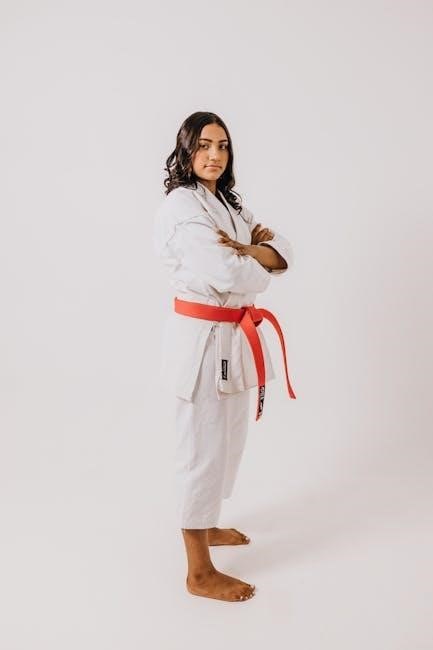
When selecting your karate gi pants, paying close attention to the fit is paramount for both comfort and performance. One of the most obvious and problematic warning signs of pants that are too tight is the tearing of seams, especially during dynamic movements like kicking. As one piece of information clearly states, “If you kick and the seem rips, your pants are too tight.” This isn’t just an inconvenience; it can be a significant disruption to your training and indicates a fundamental sizing issue.
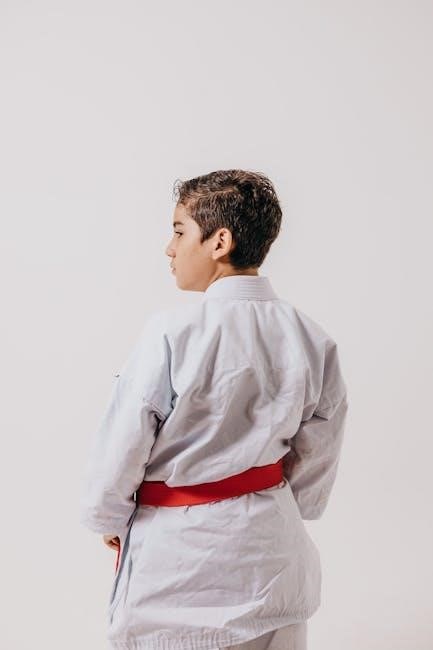
Beyond the risk of ripping, overly tight pants can severely restrict your range of motion. This limitation can hinder your ability to execute techniques properly, from deep stances to high kicks, potentially leading to improper form or even injury. Discomfort is another immediate indicator; if the fabric pulls uncomfortably around your thighs, hips, or crotch when you move, squat, or stretch, the pants are likely too snug. A proper fitting pair of gi pants should allow for complete freedom of movement without any undue tension or binding. Ensuring there’s enough material for full articulation is essential. Therefore, always prioritize a fit that allows for uninhibited movement, preventing both damage to the uniform and compromise to your practice.
Video Guides for Body Measurement
Accurately measuring your body is the cornerstone of finding the perfect-fitting karate gi, and thankfully, modern resources make this task far less daunting. Video guides have emerged as an exceptionally useful tool for practitioners seeking to take precise body measurements. Unlike static diagrams, videos offer dynamic, step-by-step demonstrations, showing exactly where to place the measuring tape for critical dimensions like height, chest, waist, and arm length. For example, some reputable brands, such as “HIROTAS KARATE GI,” explicitly provide video content illustrating “How to find the right size by measuring the body.”
These visual tutorials demystify the process, often highlighting common pitfalls and best practices to ensure accuracy. Watching an expert demonstrate the technique can significantly reduce errors and build confidence in your measurements, preventing the guesswork that often leads to ordering an ill-fitting gi. By following these guides, you can ensure that the measurements you submit align perfectly with the brand’s sizing chart. This proactive step is crucial for minimizing the need for exchanges or returns and ultimately guarantees a more comfortable and functional uniform for your training sessions, enhancing your overall experience on the dojo floor.
Understanding Gi Sizing by Height and Weight
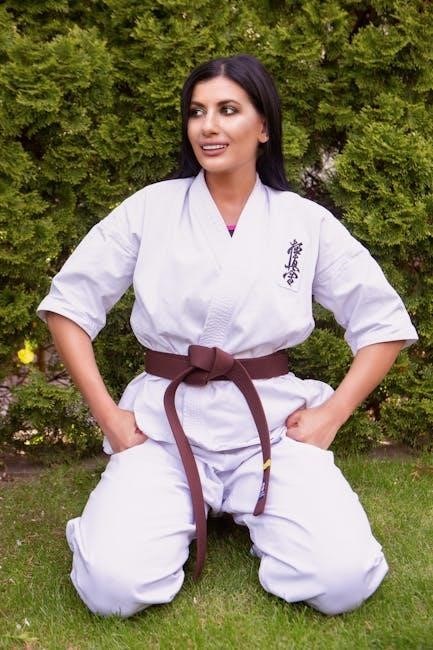
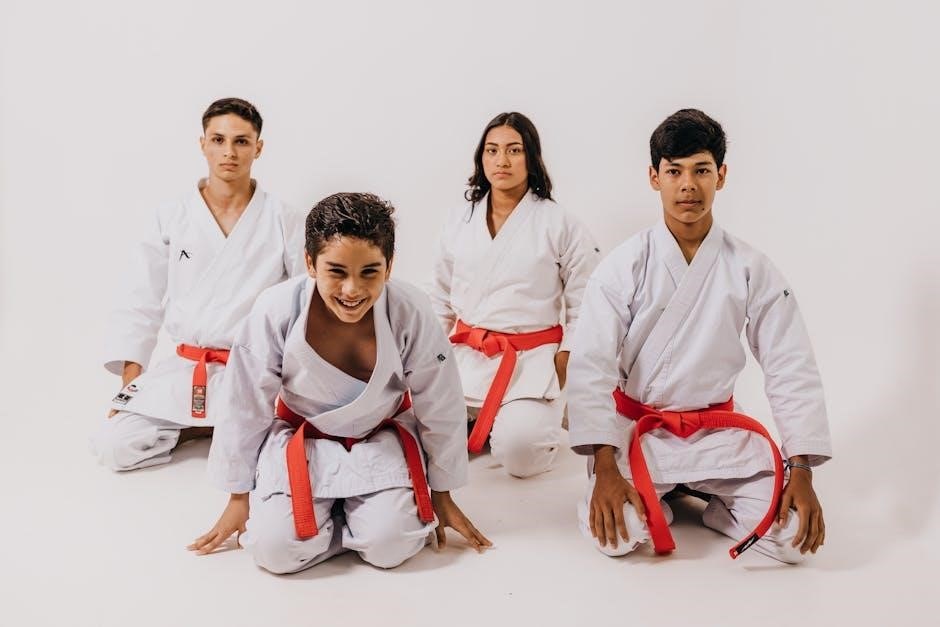
Gi sizes are frequently determined by a combination of height and weight. For instance, a size 180 gi suits someone around 175cm and 80kg, while a size 165 is ideal for 161cm and 62kg. Always refer to the brand’s specific chart.
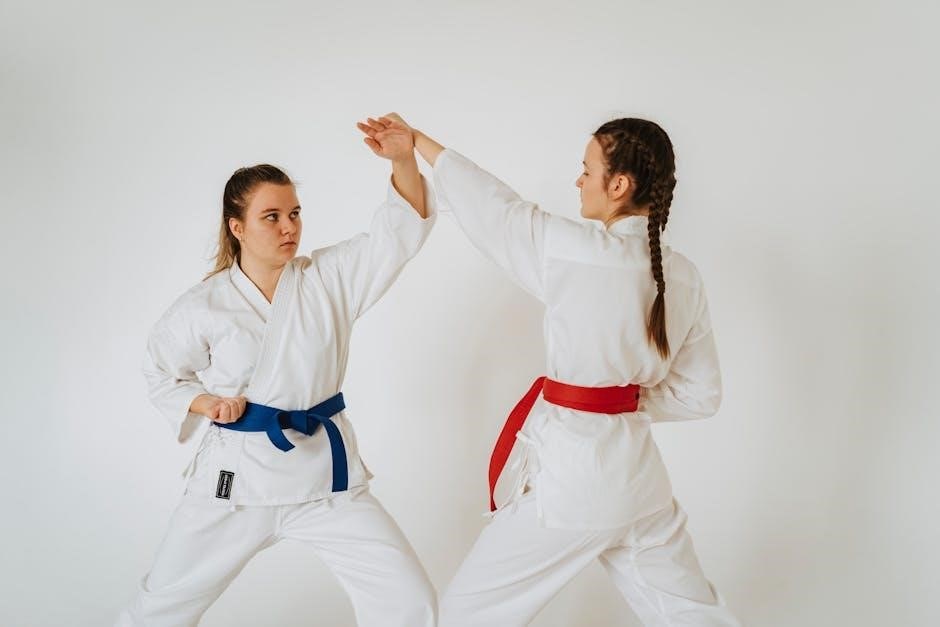
Example Size 180 for 175cm and 80kg
Understanding gi sizing examples is crucial. A “Size 180” gi is typically recommended for individuals approximately 175cm (about 5 feet 9 inches) tall and weighing around 80kg (roughly 176 pounds). This pairing provides a standard manufacturer’s guideline, illustrating how the uniform is generally designed to fit these physical dimensions. While an excellent initial reference, individual body shapes vary. The perceived fit might differ even for those matching the exact height and weight. This example highlights the direct correlation between a gi’s numerical size and the wearer’s physical attributes, offering a practical selection starting point.
Despite this guideline, always consult the specific brand’s size chart. Manufacturers, including traditional Japanese companies like Tokaido or Hirota, have distinct cutting patterns. Their detailed charts account for nuances, ensuring accurate, comfortable fit. Relying solely on this generic example without cross-referencing official brand recommendations risks an ill-fitting gi that compromises comfort and movement during training. “Size 180 for 175cm and 80kg” is a valuable preliminary reference, but always verify with brand-specific guidance for optimal results.
Example Size 175 for 174cm and 77kg
For a practitioner standing at approximately 174cm (about 5 feet 8.5 inches) and weighing around 77kg (roughly 170 pounds), a “Size 175” gi often serves as the recommended starting point. This particular sizing example is a common reference provided by manufacturers to guide purchases based on a direct height-to-gi-size correlation. It suggests that the uniform is cut to accommodate these specific body dimensions, aiming for a fit that allows for full range of motion during training, without excessive bagginess or restrictive tightness.
However, it’s crucial to understand that even with these precise measurements, personal preferences for gi fit can vary. Some practitioners prefer a slightly looser gi for comfort and freedom, while others might opt for a snugger fit for a more tailored feel. Furthermore, body composition (muscle vs. fat) at the same weight can influence how a gi sits. Therefore, while “Size 175 for 174cm and 77kg” is a strong guideline, it should always be cross-referenced with the specific brand’s detailed size chart, which may include chest, waist, and sleeve length measurements. This ensures the best possible fit for individual training needs and comfort, especially considering distinct brand variations.
Example Size 170 for 170cm and 78kg
A ‘Size 170’ gi is specifically referenced for a karate practitioner who stands approximately 170cm (around 5 feet 7 inches) tall and weighs 78kg (roughly 172 pounds). This example illustrates a common manufacturer’s sizing convention where the gi size number often aligns directly with the user’s height in centimeters, providing a straightforward initial guide for purchasing. For an individual matching these specifications, a Size 170 gi is designed to offer a balanced fit, accommodating both their height and weight without being overly restrictive or excessively baggy during training sessions and movements.
However, it is vital to acknowledge that weight, even for a person of average height, plays a significant role in determining the ultimate comfort and freedom of movement. A weight of 78kg at 170cm suggests a more robust build, which means the uniform must provide ample room in the shoulders, chest, and waist. While 170cm directly suggests a 170 gi, individuals at the upper end of the weight range for a given height might find a slightly larger size more comfortable, depending on the brand’s specific cut and material. Always cross-referencing with a brand’s detailed size chart is paramount to confirm the ideal fit, ensuring the gi supports dynamic karate techniques effectively.
Example Size 165 for 161cm and 62kg
A ‘Size 165’ uniform is often recommended for individuals with a height of approximately 161cm (around 5 feet 3 inches) and a weight of 62kg (roughly 137 pounds). This specific example highlights how manufacturers typically correlate gi sizes with a user’s physical dimensions. For someone fitting these measurements, a Size 165 gi aims to provide a comfortable yet functional fit, allowing for the full range of motion required in karate training without excessive fabric bulk or tightness.
While the size number often closely matches the height, the accompanying weight is equally critical for determining the overall comfort and drape of the garment. A weight of 62kg at 161cm suggests a relatively lean to average build. The uniform needs to accommodate this, ensuring the jacket crosses properly and the pants offer freedom in the hips and legs. It’s important to remember that brand-specific cuts can vary; some might be slimmer, others more generous.
Even with these guidelines, minor discrepancies can exist. Therefore, relying solely on these general examples isn’t always sufficient. Always cross-referencing with the specific brand’s detailed sizing chart is paramount. This ensures the chosen Size 165 gi will truly meet the wearer’s needs, providing an optimal balance of comfort, mobility, and professional appearance for karate practice, considering potential shrinkage after washing.
Example Youth Size 160 for 153cm, 42kg (11 Years Old)
A ‘Size 160’ gi is typically recommended for a young karate practitioner who is approximately 153cm tall and weighs around 42kg. This specific sizing often aligns well with an 11-year-old’s average build, providing a practical fit for their stage of development. For a height of 153cm and a weight of 42kg, the gi needs to offer sufficient room for comfortable movement during training without being overly restrictive or excessively bulky. It’s crucial that the uniform allows full range of motion for all karate techniques, from stances to kicks.
When selecting this size for an 11-year-old, a slight allowance for growth is often considered beneficial, as children grow rapidly. However, the gi should not be so large that it impedes their technique or creates a tripping hazard with overly long sleeves or pant legs. The jacket must close properly, and the pants should have adequate space for deep stances and dynamic movements. Always cross-reference these general recommendations with the specific gi manufacturer’s size chart, as youth cuts and material properties can vary, ensuring the optimal fit for the young martial artist at 153cm and 42kg.
Example Youth Size 150 for 148cm, 39.5kg (11 Years Old)
A ‘Size 150’ gi is generally appropriate for a young karate student who stands around 148cm tall and weighs approximately 39.5kg, often fitting an 11-year-old. This specific sizing aims to provide an optimal balance between comfort and functionality for a child actively engaged in martial arts. The uniform should facilitate unrestricted movement for all stances, blocks, and strikes, preventing any hindrance from overly tight or excessively loose fabric. Sleeves and pant legs must be of a length that doesn’t interfere with technique or pose a tripping risk during dynamic training sessions.
Considering the typical growth spurts experienced by children at 11 years old, selecting a gi that offers a comfortable fit with a slight allowance for future growth, without being cumbersome, is a practical approach. However, the immediate fit is paramount to ensure proper form and safety. Even with general guidelines, the precise cut and dimensions can vary significantly between different gi brands. Therefore, for a child of 148cm and 39.5kg, always refer to the manufacturer’s specific size chart to guarantee the best possible fit, ensuring the uniform supports their learning and progression in karate.

Impact of Material and Washing on Gi Sizing
Gi material greatly affects sizing, especially after washing. Polyester blends are generally resistant to shrinkage, offering consistent fit. Conversely, cotton gis can shrink significantly, often intentionally with high washing temperatures. Preshrunk cotton blends provide more stable sizing, minimizing unexpected changes post-laundry.
Shrinkage and Washing Temperature

The material composition of a karate gi significantly impacts its susceptibility to shrinkage, a process heavily influenced by the chosen washing temperature. Traditional gis, predominantly made from cotton, are especially prone to contracting when exposed to hot water during laundering. This characteristic is often leveraged by experienced practitioners. They strategically purchase a gi slightly oversized, with the goal of achieving a perfectly customized fit through controlled shrinking. For instance, individuals standing at 182cm might intentionally opt for a 190cm gi, then proceed to wash it multiple times, often at elevated temperatures like 80 degrees Celsius, typically two to three cycles. This methodical approach allows the fabric to gradually conform and shrink to their precise body dimensions, ultimately resulting in a uniform that fits them impeccably. Neglecting to account for this potential shrinkage, or washing a gi at inappropriate temperatures, can lead to considerable discomfort, with the uniform becoming uncomfortably tight or excessively short after just a few washes. Therefore, understanding your gi’s material and developing an informed washing strategy, especially concerning water temperature, is essential. This proactive approach ensures the desired fit, comfort, and contributes to the longevity and performance of your karate uniform during training and competition.
Polyester Blends and Their Resistance to Shrinkage
Polyester blends offer a significant advantage in karate gi materials due to their inherent resistance to shrinkage, a stark contrast to traditional 100% cotton uniforms. Many practitioners find that gis made with a notable percentage of polyester maintain their original size and shape far more consistently over time, irrespective of washing conditions. This characteristic is highly valued, as it eliminates the guesswork often associated with cotton gis, where strategic washing at high temperatures is sometimes employed to achieve a desired shrinkage. With polyester blends, the fit you experience when first trying on the gi is largely the fit you can expect to retain throughout its lifespan. This stability means less concern about the washing temperature impacting the uniform’s dimensions. For those seeking a reliable and consistent fit from day one, polyester blend gis are an excellent choice. Their robust fibers are less prone to absorbing water and expanding or contracting, thereby reducing the common issue of unexpected size changes after laundering. This makes them particularly appealing for beginners or anyone prioritizing ease of care and predictable sizing, ensuring that the uniform remains comfortable and regulation-compliant without constant adjustments for shrinkage. The longevity of their intended fit contributes significantly to their practical appeal.
Preshrunk Cotton Blends for Consistent Sizing
Preshrunk cotton blends are a highly favored option for karate gis, skillfully balancing the revered traditional feel with the crucial modern convenience of consistent sizing. Unlike raw or untreated cotton, which is notorious for undergoing significant and often unpredictable shrinkage after initial washing cycles, preshrunk versions have undergone specialized manufacturing processes. These treatments effectively minimize any further contraction, ensuring the uniform largely retains its original dimensions. For example, a sturdy traditional middle-weight uniform might be constructed from a 45% polyester, 55% preshrunk cotton blend, ideal for beginning students and higher ranks alike. This pre-treatment is paramount, as it ensures that the gi you purchase largely retains its intended fit after repeated laundering, thereby significantly reducing the unwelcome surprise of a much tighter gi post-wash. This inherent consistency proves invaluable for practitioners eager to avoid the constant guesswork about how much their uniform will truly shrink or the need to employ strategic high-temperature washing. Ultimately, it means that the brand’s provided size chart becomes a far more reliable indicator of the gi’s long-term fit and comfort, delivering greater overall peace of mind to the wearer.