Dekalb Corn Seed Guide 2024: An Overview
Daniel Garrick’s impressive 296-bushel/acre yield with DKC68-35 highlights Dekalb’s potential, alongside the Chuck Siebrasse Corn Boil on August 24th.
Dekalb corn seed stands as a cornerstone for producers seeking high-yielding, resilient crops. The brand’s legacy is deeply rooted in innovation, consistently delivering genetics tailored to diverse agricultural landscapes. This guide focuses on the 2024 offerings, showcasing varieties like DKC68-35, which achieved a remarkable 296 bushels per acre in the 2024 National Corn Yield Contest, demonstrating exceptional performance potential.
Beyond superior genetics, Dekalb prioritizes farmer support, exemplified by events like the Chuck Siebrasse Corn Boil on August 24th – a community celebration and opportunity to connect with agronomic experts. Understanding Dekalb’s seed traits and selecting the right variety are crucial for maximizing profitability and achieving optimal results in your fields.
Dekalb Seed History and Innovation
Dekalb’s history is one of pioneering agricultural advancements, consistently pushing boundaries in corn breeding and genetics. For decades, the brand has focused on developing hybrids that enhance yield, improve disease resistance, and adapt to evolving environmental challenges. This commitment to innovation is evident in the success stories like Daniel Garrick’s 296-bushel/acre achievement with DKC68-35 in the 2024 NCGA contest.
Dekalb doesn’t just focus on seed; it fosters a community. Events like the annual Chuck Siebrasse Corn Boil, held on August 24th, exemplify this dedication to growers. Through continuous research and a farmer-centric approach, Dekalb remains a leader in providing cutting-edge solutions for modern agriculture.

2024 Dekalb Corn Seed Varieties
Dekalb offers diverse 2024 options, including DKC68-35 for high yield, DKC67-78 for drought tolerance, and DKC66-62 for early maturity.
Dekalb DKC68-35 Brand – High Yield Potential
Dekalb DKC68-35 Brand stands out as a top performer, demonstrated by Daniel Garrick’s remarkable 296 bushels per acre in the 2024 National Corn Growers Association National Corn Yield Contest. This variety is engineered for substantial yield increases, making it a preferred choice for farmers aiming to maximize their harvest potential. Its genetics contribute to robust plant health and efficient grain fill, even under challenging growing conditions.
Farmers seeking to push yield boundaries should strongly consider DKC68-35. It responds well to optimal management practices, including proper fertilization and plant population. While specific performance varies by region and environmental factors, the consistent high yield potential of this brand makes it a valuable asset for any corn operation focused on profitability and productivity. Further details regarding its specific traits and recommendations are available through Dekalb resources.
Dekalb DKC67-78 Brand – Drought Tolerance
Dekalb DKC67-78 Brand is specifically developed to excel in areas prone to limited moisture availability. This variety exhibits enhanced drought tolerance characteristics, allowing it to maintain yield stability even during periods of reduced rainfall or water stress. Its genetic makeup supports efficient water use, enabling the plant to thrive where other varieties might struggle.

For growers facing unpredictable weather patterns or operating in drier regions, DKC67-78 offers a reliable solution; It’s designed to minimize yield loss under drought conditions, providing a more consistent return on investment. While no variety is entirely immune to drought, DKC67-78’s inherent resilience makes it a smart choice for risk management and sustainable farming practices. Consult Dekalb resources for localized performance data and best management practices.
Dekalb DKC66-62 Brand – Early Maturity
Dekalb DKC66-62 Brand is engineered for growers seeking a quicker return on investment and greater flexibility in planting and harvesting schedules. This variety boasts an early maturity profile, allowing it to reach physiological maturity sooner than many other corn hybrids. This characteristic is particularly beneficial in regions with shorter growing seasons or where double-cropping is practiced.
The early maturity of DKC66-62 minimizes the risk of late-season stress from adverse weather events like early frosts or prolonged periods of heat. It also allows for earlier grain harvest, potentially facilitating timely fieldwork and reducing grain drying costs. Growers should consider DKC66-62 when aiming to optimize land use and maximize overall farm efficiency. Refer to Dekalb’s regional data for specific maturity days.
Dekalb DKC64-05 Brand – Northern Regions
Dekalb DKC64-05 Brand is specifically developed to excel in the challenging growing conditions prevalent in northern regions. This hybrid demonstrates robust cold germination and emergence, crucial for establishing strong stands in cooler spring soils. It exhibits excellent adaptability to shorter growing seasons, delivering reliable yields even with limited heat units.
Growers in northern climates will appreciate DKC64-05’s enhanced tolerance to cool temperatures and its ability to efficiently utilize available moisture. This variety is designed to mature successfully despite potential late planting dates or extended periods of cloudy weather. Dekalb recommends consulting local agronomic advisors to confirm suitability for specific northern locations and management practices.
Understanding Dekalb Corn Seed Traits
Dekalb varieties offer diverse traits—yield potential, maturity, and robust disease/insect resistance—like DKC68-35’s 296-bushel yield and protection features.
Yield Potential and Bushel Per Acre
Dekalb corn seed is engineered for maximizing yield potential, a critical factor for profitability in modern agriculture. The DKC68-35 Brand, for instance, demonstrated exceptional performance, achieving a remarkable 296 bushels per acre in the 2024 National Corn Growers Association (NCGA) National Corn Yield Contest, securing Daniel Garrick a State First Place award.
This showcases Dekalb’s commitment to genetic advancements and agronomic excellence. Yields, however, are not solely determined by seed genetics; environmental conditions, soil health, and proper management practices—including optimal planting density, nutrient application, and pest control—play equally vital roles. Understanding these interactions is crucial for realizing the full yield potential of any Dekalb variety.
Maturity Groups and Growing Season Length
Dekalb offers a diverse portfolio of corn seed varieties categorized by maturity groups, enabling growers to select options best suited to their regional growing season length. These groups—ranging from very early to late maturity—correspond to the number of days required from planting to physiological maturity.
Choosing the appropriate maturity group is paramount for maximizing yield and minimizing risk of frost damage. Varieties like DKC66-62 Brand offer early maturity, ideal for shorter growing seasons, while others, such as DKC68-35 Brand, are designed for longer seasons. Careful consideration of local climate data and historical weather patterns is essential when making this selection, ensuring optimal grain fill and harvest timing.
Disease Resistance (Gray Leaf Spot, Goss’s Wilt)
Dekalb corn seed is engineered with robust disease resistance traits, crucial for protecting yield potential. Gray Leaf Spot (GLS) and Goss’s Wilt are significant threats to corn production, causing substantial losses if left unchecked. Dekalb varieties demonstrate varying levels of resistance to these pathogens, offering growers proactive defense strategies.
Selecting hybrids with strong GLS and Goss’s Wilt resistance minimizes the need for preventative fungicide applications, reducing input costs and environmental impact. Understanding the disease pressure in your specific region is vital; Dekalb provides detailed information on resistance ratings for each variety, empowering informed decision-making for a healthier, more productive crop.
Insect Resistance (Corn Rootworm, Corn Earworm)
Dekalb corn seed offers advanced insect resistance technologies, safeguarding yields from damaging pests like Corn Rootworm and Corn Earworm. Rootworm pressure can severely impact plant health and nutrient uptake, while Earworm directly reduces grain quality and quantity. Dekalb’s traits, often utilizing Bt technology, provide built-in protection against these key threats.
These traits minimize the need for broad-spectrum insecticide applications, promoting beneficial insect populations and reducing environmental concerns. Growers should consider regional pest pressures and rotation strategies when selecting hybrids. Dekalb provides comprehensive data on insect resistance levels, enabling informed choices for effective, sustainable pest management and maximizing profitability.
Factors to Consider When Choosing Dekalb Seed
Dekalb seed selection requires evaluating soil type, climate, planting density, fertilizer needs, and irrigation capabilities for optimal performance and maximized yield potential.
Soil Type and Climate Considerations
Dekalb corn seed performance is significantly influenced by both soil type and prevailing climate conditions. Understanding these factors is crucial for selecting the appropriate hybrid. Well-drained soils with adequate organic matter generally support robust growth. However, specific Dekalb varieties demonstrate enhanced tolerance to varying soil compositions, including those with textural or drainage challenges.
Climate plays a pivotal role, particularly concerning growing season length and temperature fluctuations. Regions experiencing shorter growing seasons benefit from early-maturity hybrids like DKC66-62, while warmer climates can accommodate longer-season varieties. Drought tolerance, as seen in DKC67-78, is paramount in areas prone to water stress. Careful consideration of these elements ensures optimal yield potential and minimizes risk.
Planting Depth and Population
Optimizing planting depth and population are critical for maximizing Dekalb corn seed performance; Generally, a planting depth of 1.5 to 2 inches is recommended, ensuring adequate seed-to-soil contact for consistent germination. However, soil moisture levels can necessitate adjustments – drier conditions may require slightly deeper planting.
Population density should be tailored to the specific hybrid and environmental conditions. Higher-yielding hybrids, like DKC68-35, often respond well to increased populations, but exceeding optimal levels can lead to competition and reduced yields. Factors such as soil fertility and available moisture also influence ideal plant populations. Precise placement and density contribute significantly to achieving peak productivity.
Fertilizer Requirements and Nutrient Management
Dekalb corn hybrids demonstrate high yield potential, demanding robust nutrient management. Nitrogen, phosphorus, and potassium are essential, with nitrogen being particularly crucial for vegetative growth and grain fill. Soil testing is paramount to determine precise fertilizer needs, avoiding over-application and environmental impact.
Consider split applications of nitrogen to align with crop demand throughout the growing season. Utilizing enhanced efficiency fertilizers can further optimize nutrient uptake. Monitoring plant tissue levels provides valuable insights into nutrient status, allowing for timely adjustments. Proper nutrient balance supports vigorous growth, maximizing the yield potential of varieties like DKC68-35.
Irrigation Needs and Water Management
Dekalb corn varieties, including drought-tolerant options like DKC67-78, still benefit from effective water management. While some hybrids exhibit resilience, consistent moisture during critical growth stages – particularly pollination and grain fill – is vital for maximizing yield potential. Irrigation scheduling should be based on evapotranspiration rates, soil moisture monitoring, and rainfall patterns.
Consider utilizing precision irrigation techniques, such as drip or pivot systems, to deliver water directly to the root zone, minimizing water loss. Proper drainage is equally important to prevent waterlogging and root diseases. Efficient water use not only boosts yields but also promotes sustainable agricultural practices.

Dekalb Seed Performance in 2023 & Prior Years
Dekalb’s consistent performance is demonstrated by Daniel Garrick’s 296-bushel/acre win in 2024, building on historical yield trends from 2020-2022.
2023 Dekalb Seed Performance Data
While specific, comprehensive 2023 Dekalb seed performance data isn’t fully detailed in the provided snippets, the success of Daniel Garrick in the 2024 National Corn Yield Contest offers a strong indication of the potential realized in prior growing seasons. His winning yield of 296 bushels per acre, achieved with Dekalb DKC68-35 Brand, suggests robust performance across fields utilizing this variety.
Further analysis of regional performance variations and broader yield trends from 2020-2022 would provide a more complete picture. However, Garrick’s achievement serves as a compelling example of what’s attainable with Dekalb genetics and optimized agronomic practices. The Chuck Siebrasse Corn Boil event, while celebratory, indirectly highlights the consistent yields Dekalb aims to deliver to farmers annually.
Historical Yield Trends (2020-2022)
Detailed yield trend data from 2020-2022 for Dekalb corn seed isn’t explicitly provided within the available text. However, the context surrounding Daniel Garrick’s 2024 contest win with DKC68-35 Brand implies a consistent upward trajectory in Dekalb’s performance over recent years. This success isn’t isolated; it builds upon ongoing innovation and refinement of Dekalb genetics;
Analyzing historical data would reveal how Dekalb varieties responded to varying climate conditions and pest pressures during those years. While specific numbers are absent, the emphasis on high-yield potential and traits like drought tolerance suggests a commitment to improving yields consistently. The annual Chuck Siebrasse Corn Boil likely celebrates these ongoing improvements and farmer successes.
Regional Performance Variations
The provided information doesn’t detail specific regional performance variations for Dekalb corn seed. However, the existence of varieties like DKC64-05 Brand, tailored for northern regions, clearly indicates Dekalb acknowledges and addresses geographical differences in growing conditions. Yield potential isn’t uniform across all areas; factors like soil type, climate, and pest prevalence significantly impact results.
Understanding these regional nuances is crucial for farmers. While Daniel Garrick’s success with DKC68-35 is noteworthy, replicating that yield requires considering local conditions. Dekalb’s network of local seed dealers and agronomic support likely provides region-specific recommendations, optimizing seed selection and management practices for maximum profitability.
Dekalb Corn Seed and the National Corn Yield Contest
Daniel Garrick achieved a State First Place win in the 2024 NCGA contest, yielding 296 bushels per acre with Dekalb DKC68-35 Brand.
Daniel Garrick’s 2024 NCGA Contest Win
Daniel Garrick’s remarkable achievement in the 2024 National Corn Growers Association (NCGA) National Corn Yield Contest showcases the high-performance capabilities of Dekalb corn seed. He secured a State First Place award with an astounding yield of 296 bushels per acre, a testament to diligent farming practices and superior genetics.
Garrick’s success was specifically attained utilizing the Dekalb DKC68-35 Brand, demonstrating its potential for exceptional productivity under optimal conditions. This win not only highlights Garrick’s skill but also reinforces Dekalb’s commitment to providing farmers with innovative seed technologies designed to maximize yields and profitability. The contest results serve as valuable insights for other growers seeking to elevate their own corn production.

Strategies for Achieving High Yields

Emulating Daniel Garrick’s success with Dekalb DKC68-35 requires a holistic approach. Prioritize optimal planting depth and population tailored to your specific field conditions. Implement a robust nutrient management plan, ensuring adequate fertilizer application based on soil testing and crop needs.
Effective water management, whether through irrigation or conservation practices, is crucial. Proactive disease and insect control, focusing on resistance traits like those offered by Dekalb, minimizes yield loss. Consistent monitoring throughout the growing season allows for timely adjustments. Finally, leveraging agronomic support and expertise from Dekalb dealers can provide valuable insights for maximizing your farm’s potential.
Resources for Dekalb Corn Seed Information
Dekalb’s website offers tools, while local dealers provide personalized support. Don’t miss the Chuck Siebrasse Corn Boil for community engagement and learning!
Dekalb Website and Online Tools
Dekalb’s official website serves as a central hub for comprehensive information regarding their 2024 corn seed offerings. Users can explore detailed product descriptions for varieties like DKC68-35, DKC67-78, and DKC66-62, accessing crucial data on yield potential, maturity groups, and disease/insect resistance.
Interactive tools, including planting calculators and yield estimators, assist farmers in optimizing their operations. The site also features agronomic resources, providing insights into soil types, fertilizer requirements, and irrigation strategies. Furthermore, information about events like the Chuck Siebrasse Corn Boil on August 24th is readily available, fostering community engagement. Access to historical yield trends and contest winner details, such as Daniel Garrick’s success, enhances informed decision-making.
Local Dekalb Seed Dealers
Dekalb prioritizes accessibility through a robust network of local seed dealers. These dealers offer personalized support, assisting farmers in selecting the optimal corn seed varieties – such as DKC68-35, DKC67-78, or DKC66-62 – based on their specific regional conditions and farming practices.
Beyond seed sales, dealers provide valuable agronomic advice, covering topics like planting depth, population density, and nutrient management. They often host local events, potentially mirroring the community spirit of the Chuck Siebrasse Corn Boil on August 24th, and share insights from successful growers like Daniel Garrick. Finding a local dealer ensures convenient access to expertise and timely product availability, crucial for maximizing yield potential throughout the growing season.
Agronomic Support and Expertise
Dekalb doesn’t just sell seed; they provide comprehensive agronomic support to help farmers achieve peak performance, mirroring the dedication seen in Daniel Garrick’s record-breaking yield with DKC68-35. This includes access to expert agronomists offering guidance on everything from soil testing and fertilizer recommendations to pest and disease management.
Farmers benefit from data-driven insights, helping optimize planting strategies and maximize bushel per acre. Support extends to understanding maturity groups and tailoring practices to local climates. Like the community gathering at the Chuck Siebrasse Corn Boil on August 24th, Dekalb fosters a collaborative environment, sharing best practices and empowering growers to make informed decisions for a successful harvest.
Dekalb Corn Boil Event Information
Chuck Siebrasse’s namesake corn boil, on August 24th from 11 am-2 pm, offers free steamed sweet corn – a delightful community event!
Chuck Siebrasse Corn Boil Details
The annual Chuck Siebrasse Corn Boil is a cornerstone event, honoring a dedicated DeKalb resident who chaired the boil for an impressive 25 years. This year’s event promises a delightful experience for attendees, centered around the generous offering of free, steamed sweet corn.
Guests can indulge in this summertime treat from 11:00 AM to 2:00 PM on August 24th. The boil typically provides a substantial amount of corn – around 70 bushels – ensuring there’s plenty to go around for everyone. It’s a fantastic opportunity to connect with the local agricultural community and celebrate the harvest season. The event embodies the spirit of community and appreciation for DeKalb’s agricultural heritage.
Event Date and Time (August 24th)
Mark your calendars for the highly anticipated Chuck Siebrasse Corn Boil, scheduled to take place on August 24th. This annual event is a celebration of DeKalb’s agricultural roots and a tribute to Chuck Siebrasse’s 25 years of dedicated service as chairman.
The festivities will run from 11:00 AM to 2:00 PM, providing a three-hour window to enjoy complimentary, freshly steamed sweet corn. Attendees are encouraged to arrive early to secure their share of the approximately 70 bushels of corn prepared for the occasion. It’s a perfect family-friendly event, offering a taste of summer and a chance to connect with the local community. Don’t miss this delightful celebration!
Free Steamed Sweet Corn Availability
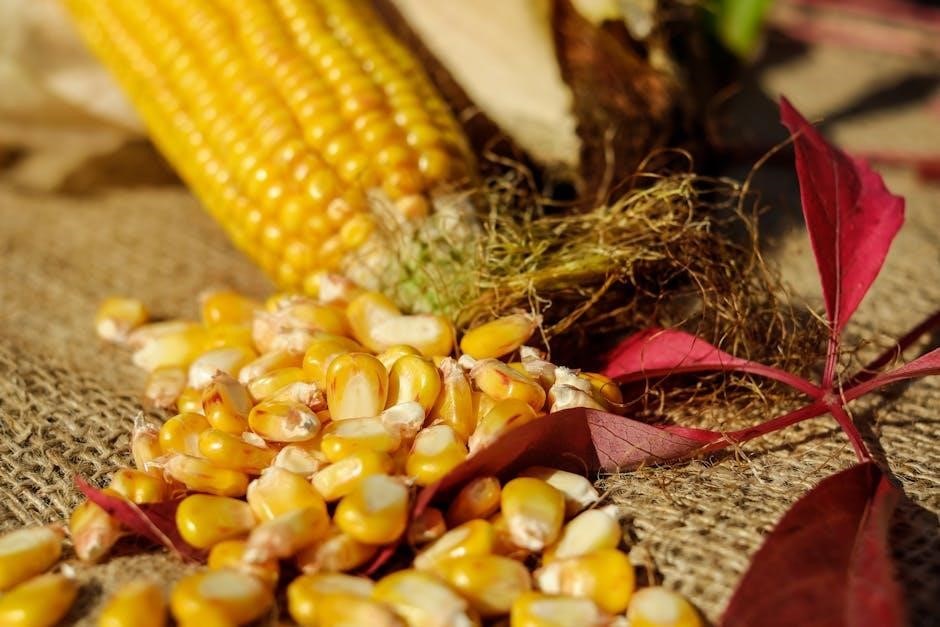
A cornerstone of the Chuck Siebrasse Corn Boil is the generous offering of free steamed sweet corn to all attendees. Approximately 70 bushels of locally-sourced corn will be expertly prepared and served during the event, ensuring a plentiful supply for everyone.
This delightful treat is a testament to DeKalb’s commitment to agriculture and a way to share the bounty of the harvest with the community. The corn is steamed to perfection, highlighting its natural sweetness and creating a truly satisfying experience. Be sure to arrive between 11:00 AM and 2:00 PM on August 24th to partake in this delicious tradition!

Beyond the Seed: Dekalb’s Sustainability Initiatives
Dekalb champions conservation practices and precision agriculture, demonstrating environmental stewardship alongside innovative seed technologies for a sustainable future in farming.
Conservation Practices and Environmental Stewardship
Dekalb actively promotes responsible land management through various conservation practices. These initiatives focus on minimizing environmental impact while maximizing agricultural productivity. A core component involves promoting soil health, reducing erosion, and optimizing water usage. Dekalb encourages farmers to adopt no-till farming techniques, cover cropping, and precision nutrient application.
These methods contribute to improved soil structure, enhanced water infiltration, and reduced fertilizer runoff. Furthermore, Dekalb supports biodiversity by advocating for integrated pest management strategies that minimize reliance on synthetic pesticides. The company’s commitment extends to responsible seed stewardship, ensuring the safe and effective use of its products. By prioritizing environmental sustainability, Dekalb aims to contribute to a healthier planet for future generations.
Precision Agriculture Technologies
Dekalb integrates cutting-edge precision agriculture technologies to optimize corn production and resource utilization. These tools empower farmers with data-driven insights for informed decision-making. Dekalb leverages advanced seed placement technologies, variable rate application of fertilizers, and real-time monitoring of crop health. Utilizing drone imagery and sensor data, farmers can identify areas requiring specific attention, maximizing yield potential and minimizing waste.
Furthermore, Dekalb offers digital platforms and analytical tools to help growers track performance, analyze trends, and refine their farming practices. These technologies facilitate efficient irrigation management, pest control, and nutrient optimization. By embracing innovation, Dekalb enables farmers to achieve greater profitability while promoting sustainable agricultural practices and environmental stewardship.